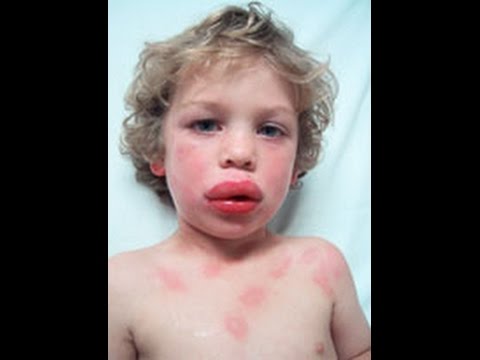
 Anaphylaxis is a severe, potentially life-threatening allergic reaction. It can occur within seconds or minutes of exposure to something you're allergic to, such as a peanut or the venom from a bee sting.
The flood of chemicals released by your immune system during anaphylaxis can cause you to go into shock; your blood pressure drops suddenly and your airways narrow, blocking normal breathing. Signs and symptoms of anaphylaxis include a rapid, weak pulse, a skin rash, and nausea and vomiting. Common triggers of anaphylaxis include certain foods, some medications, insect venom and latex.
Anaphylaxis requires an immediate trip to the emergency department and an injection of epinephrine. If anaphylaxis isn't treated right away, it can lead to unconsciousness or even death.
SYMPTOMS
Anaphylaxis symptoms usually occur within minutes of exposure to an allergen. Sometimes, however, anaphylaxis can occur a half-hour or longer after exposure. Anaphylaxis symptoms include:
- Skin reactions, including hives along with itching, and flushed or pale skin (almost always present with anaphylaxis)
- A feeling of warmth
- The sensation of a lump in your throat
- Constriction of the airways and a swollen tongue or throat, which can cause wheezing and trouble breathing
- A weak and rapid pulse
- Nausea, vomiting or diarrhea
- Dizziness or fainting
CAUSES
Your immune system produces antibodies that defend against foreign substances. This is good when a foreign substance is harmful (such as certain bacteria or viruses). But some people's immune systems overreact to substances that shouldn't cause an allergic reaction. When this occurs, the immune system sets off a chemical chain reaction, leading to allergy symptoms. Normally, allergy symptoms aren't life-threatening. But some people have a severe allergic reaction that can lead to anaphylaxis. Even if you or your child has had only a mild anaphylactic reaction in the past, there's still a risk of more severe anaphylaxis.
A number of allergens can trigger anaphylaxis, depending on what you're allergic to.
Common anaphylaxis triggers include:
- Certain medications, especially penicillin
- Foods, such as peanuts, tree nuts (walnuts, pecans, almonds, cashews), wheat (in children), fish, shellfish, milk and eggs
- Insect stings from bees, yellow jackets, wasps, hornets and fire ants
- Latex
- Medications used in anesthesia
- Exercise
Anaphylaxis triggered by exercise is not common and varies from person to person. In some people, aerobic activity, such as jogging, triggers anaphylaxis. In others, less intense physical activity, such as walking, can trigger a reaction. Eating certain foods before exercise or exercising when the weather is hot, cold or humid also has been linked to anaphylaxis in some people. Talk with your doctor about any precautions you should take when exercising.
If you don't know what triggers your allergy attack, your doctor may do tests to try to identify the offending allergen. In some cases, the cause of anaphylaxis is never identified. This is known as idiopathic anaphylaxis.
RISK FACTORS
There aren't many known risk factors for anaphylaxis, but some things that may increase your risk include:
- A personal history of anaphylaxis. If you've experienced anaphylaxis once, your risk of having this serious reaction increases. Future reactions may be more severe than the first reaction.
- Allergies or asthma. People who have either condition are at increased risk of having anaphylaxis.
- A family history. If you have family members who've experienced exercise-induced anaphylaxis, your risk of developing this type of anaphylaxis is higher than it is for someone without a family history.
COMPLICATIONS
An anaphylactic reaction can be life-threatening when a severe attack occurs; it can stop breathing or stop your heartbeat. In this case, you'll need cardiopulmonary resuscitation (CPR) and other emergency treatment right away.
TESTS AND DIAGNOSIS
Your doctor will ask you questions about your allergies or any previous allergic reactions you've had. This evaluation will include questions about:
- Whether any particular foods seem to cause a reaction
- Any medications you take, and if certain medications seem linked to your symptoms
- Whether you've had allergy symptoms when your skin has been exposed to latex
- Whether stings from any particular type of insect seem to cause your symptoms
- You may be tested for allergies with skin tests or blood tests
- You may also be asked to keep a detailed list of what you eat or to stop eating certain foods for a time

